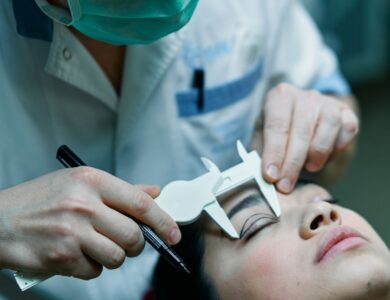
A deep plane facelift is widely regarded as the modern “gold standard” for facial rejuvenation. Unlike traditional facelifts that primarily pull the skin, the deep plane technique involves releasing the deeper ligaments and repositioning the entire facial structure as a single unit. This results in a more natural, three-dimensional lift with significantly longer-lasting results.
In the UK, where aesthetic standards lean toward “undetectable” results, finding a surgeon who masters this high-precision technique is essential. Here is how to choose a specialist to ensure safety and an exceptional outcome.
1. Verify Entry on the Specialist Register
In the UK, the title “surgeon” can be used by any doctor. To ensure you are in the hands of a true expert, you must verify that your surgeon is listed on the General Medical Council (GMC) Specialist Register for Plastic Surgery.
- The Requirement: A specialist plastic surgeon has completed at least six to eight years of dedicated surgical training beyond their medical degree.
- The Check: Use the GMC’s online medical register. Look for “Plastic Surgery” under the “specialisms” section of their profile. Avoid practitioners who are only listed as “General Surgeons” or “General Practitioners” for complex facial work.
2. Look for the FRCS (Plast) Credential
When researching a UK plastic surgeon, pay close attention to the letters following their name. The most important qualification for this procedure is FRCS (Plast).
The Fellowship of the Royal College of Surgeons (FRCS) in Plastic Surgery indicates that the surgeon has passed the highest level of national examinations in the field. This credential ensures that the surgeon has been rigorously tested on their knowledge of facial anatomy, which is critical for the deep plane technique, as it involves working near delicate facial nerves.
3. Check for BAAPS and BAPRAS Memberships
Reputable UK surgeons almost always hold memberships in two key professional bodies: BAAPS (British Association of Aesthetic Plastic Surgeons) and BAPRAS (British Association of Plastic, Reconstructive and Aesthetic Surgeons).
- BAAPS is particularly relevant for aesthetic procedures. Members must adhere to strict ethical codes, undergo regular audits of their surgical outcomes, and refrain from aggressive “salesy” marketing.
- BAPRAS represents the broader field of plastic and reconstructive surgery. Membership in both suggests a surgeon who is deeply committed to both the science and the artistry of the craft.
4. Assess Experience with the Deep Plane Technique
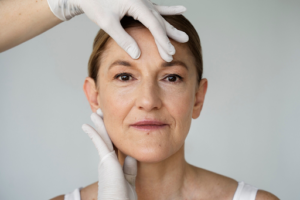
A deep plane facelift is technically more demanding than a standard SMAS facelift. It requires a specific set of skills to safely navigate the “deep plane” layer of the face.
- Ask the Numbers: During your consultation, ask the surgeon exactly how many deep plane facelifts they perform annually. Experience counts; you are looking for a specialist who performs this procedure weekly, not once or twice a year.
- Specialisation: Does the surgeon focus exclusively on the face? While many plastic surgeons are “generalists,” the most refined deep plane results often come from those who dedicate their practice entirely to facial aesthetics.
5. Review “Natural” Before and After Portfolios
The hallmark of a successful deep plane facelift is that the patient looks like a refreshed version of themselves, not a “operated-on” version.
When reviewing a surgeon’s portfolio, look for:
- The Neck and Jawline: A deep plane lift should provide a crisp, clean jawline without a “pulled” look at the corners of the mouth.
- The Mid-Face: Look for restored volume in the cheeks. Unlike traditional lifts, the deep plane technique should vertically lift the malar (cheek) fat pads.
- Scar Placement: Examine the ears. In expert hands, incisions should be hidden within the natural creases of the ear and should not distort the tragus (the small cartilage bump in front of the ear canal).
6. The Consultation and Safety Standards
In the UK, all private clinics performing surgery must be registered with and inspected by the Care Quality Commission (CQC).
- The Hospital Environment: Confirm that your surgery will take place in a CQC-registered hospital or a high-end surgical facility.
- The Cooling-Off Period: Professional UK guidelines mandate a “cooling-off” period of at least two weeks between your consultation and your surgery date. This time is intended for you to reflect on the risks and benefits without pressure.
- The Team: Ask about the anaesthetist. A specialist surgeon should work with a consistent, consultant-level anaesthetist to ensure your safety throughout the three-to-five-hour procedure.
7. Understanding the Recovery Journey
While the deep plane technique often results in less bruising (because it follows natural tissue planes), the initial swelling can be more significant due to the deeper manipulation.
A specialist should provide a detailed aftercare plan, including:
- Follow-up Care: You should see your surgeon, not just a nurse, for your key post-operative checks.
- Emergency Access: Ensure the clinic provides a 24-hour emergency contact number for the surgical team.
- Realistic Timelines: Most patients are “socially ready” (can go to dinner or the office) within 14 to 21 days, but final refinement can take several months.
Final Thoughts

Choosing a specialist for a deep plane facelift in the UK is a decision that should be based on credentialed expertise and surgical focus. By prioritising a UK plastic surgeon who is GMC-registered, FRCS (Plast) qualified, and a member of BAAPS, you are choosing a path that leads to safe, sophisticated, and enduring rejuvenation. Taking the time to find a specialist who views facelifting as an art form will ensure that your results remain timeless.